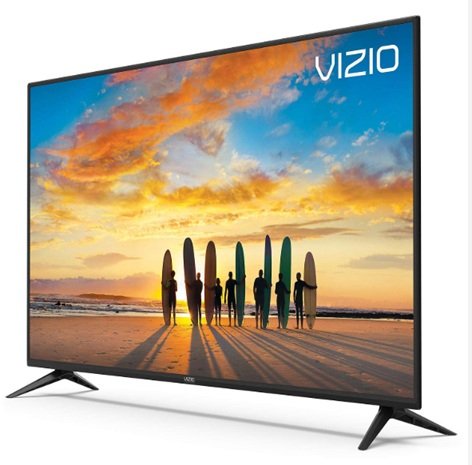
 Walmart didn’t buy Vizio mainly to sell TVs. They bought it to turn your living room TV into a powerful advertising and data machine that connects what you watch to what you buy at Walmart.
In February 2024, Walmart announced it would buy Vizio (completed December 2024) for about $2.3 billion. Vizio makes cheap smart TVs sold heavily at Walmart. Vizio’s TVs are sold at low margins (sometimes near break-even or a small loss). The real money comes from Platform+ — ads on the TV’s home screen, in apps, and data about what you watch. Before the deal, this ad/data business generated all of Vizio’s profits. Hardware was basically a way to get more screens in homes.

New Vizio TVs need a Walmart account. You must sign in with (or create) a Walmart account to use smart features, streaming apps, updates, etc. Existing Vizio accounts can merge or be deleted. This links your viewing habits to your Walmart shopping profile. Vizio had around 18–19 million active SmartCast accounts by late 2024/early 2025, with strong growth over prior years.
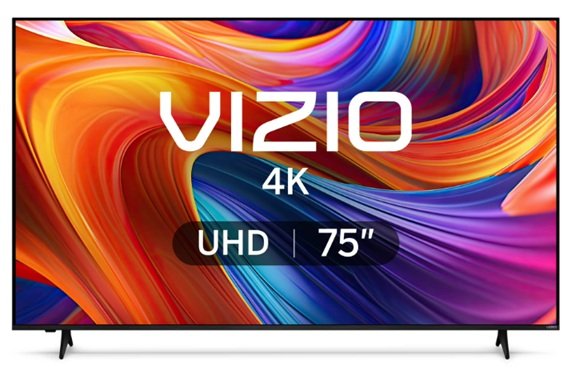 Vizio’s system (called Inscape) analyzes what’s on screen — from any source (cable, streaming, game console, even phone mirroring) — by sampling frames and matching them to a database. This identifies shows, ads, etc., for better ad targeting. You can turn it off in settings, but it’s a core feature.
Walmart’s big goal. They have ~150 million weekly shoppers + Vizio viewing data. With linked accounts, they can see: “This person saw our ad on TV → went to Walmart (online or store) → bought the product.” This is the “holy grail” for advertisers that Walmart is building.
Walmart also owns the Onn brand, which is shifting to Vizio’s OS.
Bottom line: The TVs are cheap because Walmart subsidizes them to get more ad-viewing households and shopping data. Your TV becomes part of Walmart’s advertising ecosystem. This is legal and common in smart TVs (many brands do versions of it), but it raises privacy concerns — you can limit tracking in settings.

“You can limit tracking”
Joe • May 10, 2026
The visual comfort of selecting something in a graphical user interface. “Limit Tracking”. That’s what the GUI says but does it actually limit it? Or just show that it is? Sort of like incognito mode. You’ll still see ads and cross site tracking happen.
The spyware game just went further.
I went in to a house once and they have all of the video cameras, Alexa speaker, Ring cameras, door locks, WiFi, Smart TV, you get the idea. I don’t know about anyone else, but all of that networked “connected” stuff would make me extremely uncomfortable.
I can remember back when people thought the phones were being tapped. Now they ask Alexa “Hey wire tap, how long do I have to bake this turkey?”
The irony here? I’m on a web connected device typing this out on a web browser that’s probably tracking me in real time to sell data.
Who wants all that crap?
Burns • May 9, 2026
I’ll stick with my CRT that’s connected to a DTV converter and antenna. All that other junk is just techno clutter.
Who needs it?
Jason Remington • May 13, 2026
We are THIS close to getting rid of our TV. The kids never watch it, they prefer their ipads.